
Hiring & Process
Hiring A Remodeling Contractor In Massachusetts: Registration, Permits, And What Your Contract Must Say
Every homeowner asks some version of the same three questions: is this contractor legitimate, who handles the permit, and what should the paperwork look like. Massachusetts law and state guidance answer much of this clearly. Here is what the rules actually say, in plain language.
What "Licensed" Means Here
People say "licensed" and mean different things. For a home improvement project, what matters is the registration below and, for plumbing, electrical, and gas, the trade license of the person doing that portion of the work.
A Home Improvement Contractor registration is a consumer-protection registration issued by the state's Office of Consumer Affairs and Business Regulation. With narrow exceptions, any contractor who contracts to do home improvement work on an existing one-to-four-family, owner-occupied home is required to hold one. It puts the contractor on record, ties them to the state's contract rules and arbitration program, and backs your project with the Guaranty Fund described below. Jacqueson Teixeira holds a Massachusetts Home Improvement Contractor registration, MA HIC Reg. #220750.
Plumbing, electrical, and gas work are done and permitted by the licensed trade for that portion, and a good proposal names who is responsible for what. Ask any contractor for their registration number, and ask who will be doing each part of the work. A contractor who avoids the question has answered it.
Checking A Number In Two Minutes
The state publishes a lookup for home improvement contractor registrations on mass.gov. Search by the name or the number and confirm the status is active. A registration may be held by a company or by an individual, so check that the name on it is either the company on your contract or the person who owns it, and ask if it is neither.
Who Pulls The Permit, And Why Not You
When a project needs a building permit, the contractor obtains it. Massachusetts ties an important protection to this: a homeowner who pulls their own permit for a contractor's work gives up their claim to the Guaranty Fund if something goes wrong. A contractor who asks you to pull the permit "to save time" is asking you to give up that protection.
The Guaranty Fund is the state's backstop for homeowners who win a judgment or arbitration award against a registered contractor and cannot collect. It can pay actual losses up to a cap set by regulation, currently twenty-five thousand dollars per claim, after the homeowner has exhausted collection. It exists only for registered contractors, and a homeowner who pulled the permit loses the claim unless the contractor never gave the required written warning about that.
Not every project needs a permit, and what yours needs depends on the scope and on your town. Some limited repair and finish work may be exempt under the state building code, while decks, structural changes, additions, and, in many towns, window replacement commonly require one; Reading, for example, asks for the window order and its energy rating with a window permit. Plumbing, electrical, and gas work are permitted by the licensed trade doing that work when a permit is required. Towns apply the rules through their own building departments, and their practice varies, so the reliable answer for a specific project is confirmation with the town before the proposal is signed. We make that call.
What The Written Contract Must Say
Massachusetts law requires a written contract for home improvement work over one thousand dollars, and it specifies what the contract must contain. The state publishes the full list with sample language. The parts that matter most to a homeowner:
- The contractor's name, address, and registration number, and the names of any salespeople involved.
- A detailed description of the work and the materials.
- The total price, and the payment schedule in dollars.
- A start date and a completion date.
- A statement of which permits are required, and that the contractor will obtain them, with the warning about the Guaranty Fund if the homeowner pulls them instead.
- Your right to cancel within three business days when the contract is signed at your home.
- An arbitration clause, if the contract has one, in the state's required wording and signed and dated separately by both of you. You keep the right to use the state's arbitration program either way.
A contract with blank spaces is not finished. Every blank should be filled in or crossed out before either side signs. And no work begins before the contract is signed and you have your copy; the law says so, and a contractor who starts before that has already skipped a step.
Deposits And Payment Schedules: What Is Normal
The law caps the deposit a contractor may take before work begins at one-third of the total contract price, or the actual cost of special-order materials if that is higher, and a contractor may not demand the final payment before the work is complete. Beyond that, a fair schedule follows the work: a deposit, progress payments tied to milestones you can see, and the balance at the walkthrough. A schedule that front-loads most of the money before much work has happened is a warning sign, whatever the reason given.
The Three-Day Cancellation Right
For a home improvement contract signed at your home, rather than at the contractor's place of business, you have until midnight of the third business day after signing to cancel, and the contract must tell you so. This is not a loophole; it is the law's cooling-off period, and a good contractor builds the schedule around it.
Older Homes, Lead, And Other Rules That Ride Along
If your home was built before 1978, work that disturbs painted surfaces may fall under the state's lead-safe renovation rules, and when it does, that part of the work is handled by a Massachusetts-licensed lead-safe renovation contractor; we confirm whether your project is in that category before the proposal. Older homes can also contain asbestos in flooring, pipe insulation, and some wall materials; if suspect material is found, it is tested and, where needed, removed by a licensed abatement contractor before the remodel continues. A contractor who has a plan for both questions before the first day of work is doing it right.
What Happens On The First Visit
A visit is where the real proposal starts. We look at the actual conditions, ask what you want changed and what is bothering you, and take the measurements and photographs the proposal needs. Then you get a written, itemized proposal that shows the scope, the price, and the schedule, names the permits and who obtains them, and says what happens if something is found once the work is open. Nothing is priced from a phone call alone: a proposal follows a visit, or, for a short handyman list, photos we can actually price from.
Questions Worth Asking
Is a registered contractor the same as an insured one?
No. Registration is a state requirement; insurance is a separate question. Ask any contractor, including us, for a certificate of insurance and read what it covers and when it expires.
Do I need a permit to replace my kitchen cabinets?
It depends on the scope and on your town. Replacing cabinets and countertops in the same location usually involves less permitted work than a layout change; your town has the final word, and we confirm with the town before the proposal is signed. Licensed plumbers and electricians handle the permits for their portions when one is required.
What if the contractor says the permit will slow things down?
A permit takes time, and a good schedule includes it. A contractor who suggests skipping one is asking you to take on the risk, including the loss of your Guaranty Fund protection.
Can I see the registration before we meet?
Yes. Jacqueson Teixeira's registration is MA HIC Reg. #220750, and it is on every proposal and on this website. Look it up on the state's registration lookup before you call anyone, including us.
Every house is different. This is what we look for. It is not a substitute for having a qualified contractor look at your house in person.
Sources And Review
About the reviewer. Jacqueson Teixeira is a master carpenter with more than a decade of hands-on carpentry and remodeling experience, and for more than five years he has run his own projects for homeowners north of Boston. He reviews the field statements in every guide that carries his name: what we look for, what usually fails, and how the work is done. MA HIC Reg. #220750.
Permit, code, and lead-safety statements come from the sources listed below and were checked on the review date. Your town's building department has the final word.
- Massachusetts Home Improvement Contractor registration and renewal (accessed August 29, 2026)
- Massachusetts home improvement contract requirements and sample language (accessed August 29, 2026)
- 201 CMR 18.00, Home Improvement Contractor registration and enforcement (accessed August 29, 2026)
- 201 CMR 14.21, the Home Improvement Contractor Guaranty Fund (accessed August 29, 2026)
- Massachusetts State Building Code (780 CMR), editions and dates (accessed August 29, 2026)
- 780 CMR, work exempt from a building permit (residential) (accessed August 29, 2026)
- Town of Reading, permitting and application information (accessed August 29, 2026)
- Massachusetts Lead-Safe Renovation Program, for homeowners (accessed August 29, 2026)
Last reviewed August 29, 2026. Next review by March 2027.
Real Projects
Work Like This, Photographed As We Left It
Keep Reading
Related Guides
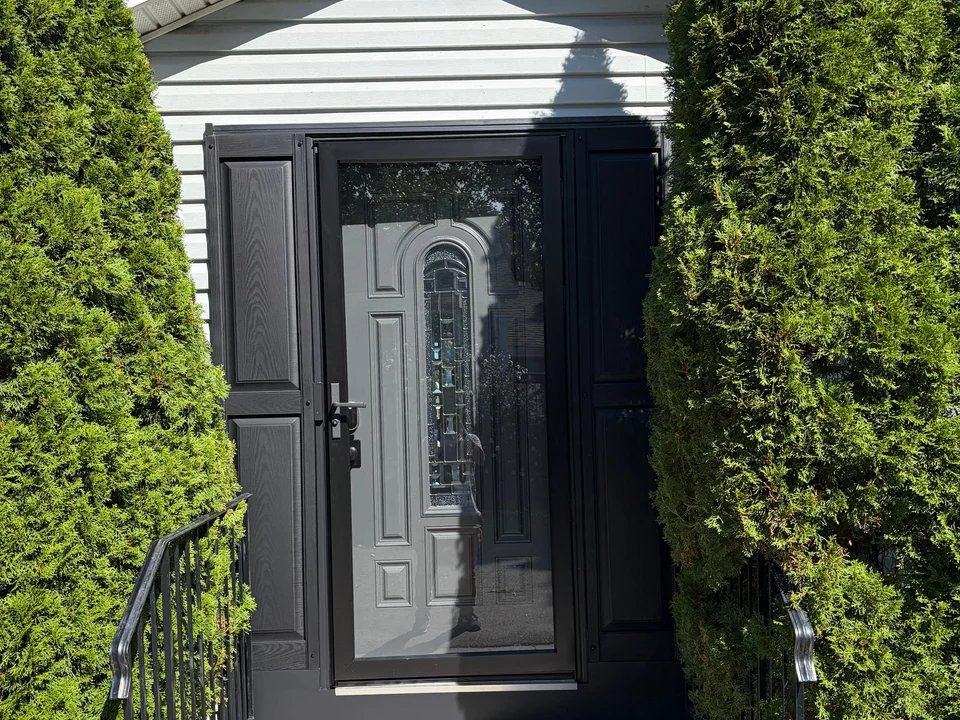
Sticking, Drafty, Or Rotten: When A Door Needs Adjusting, Repairing, Or Replacing
Most door trouble is opening trouble. How to tell a hinge fix from a rotten sill, and when a complete new unit beats refitting an old slab.
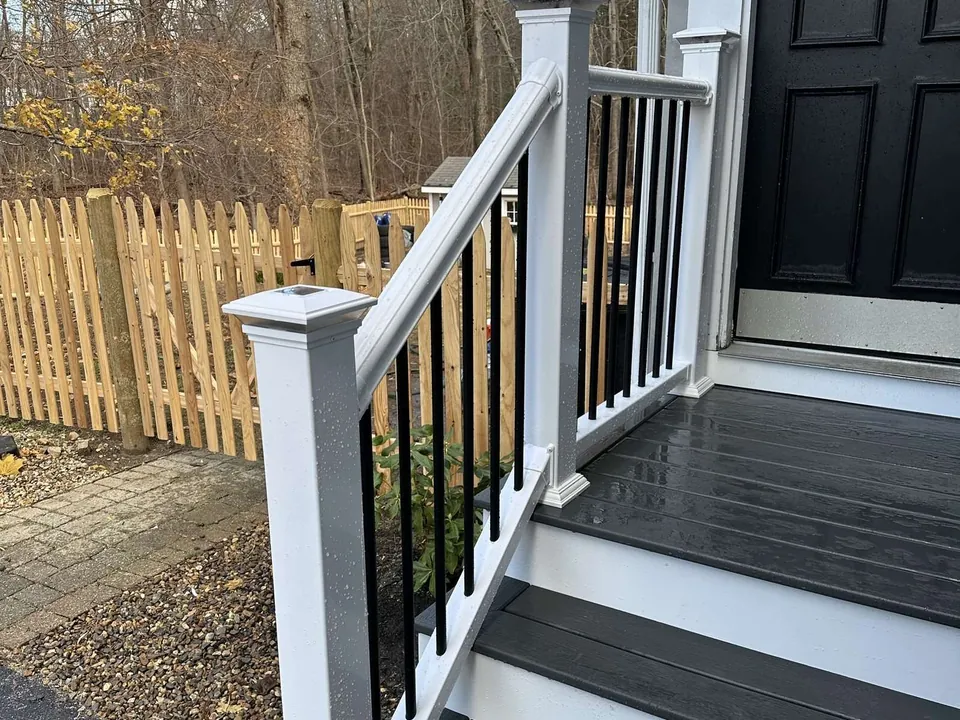
Repair Or Rebuild? How To Read An Aging Deck In Massachusetts
Structure decides, not surface. The ten-minute check, the one board that matters most, and what a Massachusetts permit actually involves.
Next step
Tell Us About Your Project
If you are comparing contractors, ask each of them these questions. When you are ready for a written, itemized proposal from us, tell us about the project.
We normally reply the same day.
- (781) 885-5120Monday to Saturday, 7 AM to 6 PM
- contact@brightworkremodeling.com
- Based in Reading, MAServing fifteen towns north of Boston