
Doors
Sticking, Drafty, Or Rotten: When A Door Needs Adjusting, Repairing, Or Replacing
The door sticks in August and whistles in January. The bottom corner feels soft. Before anyone quotes you a new door, it helps to know what the door is actually telling you, because most door problems are not door problems.
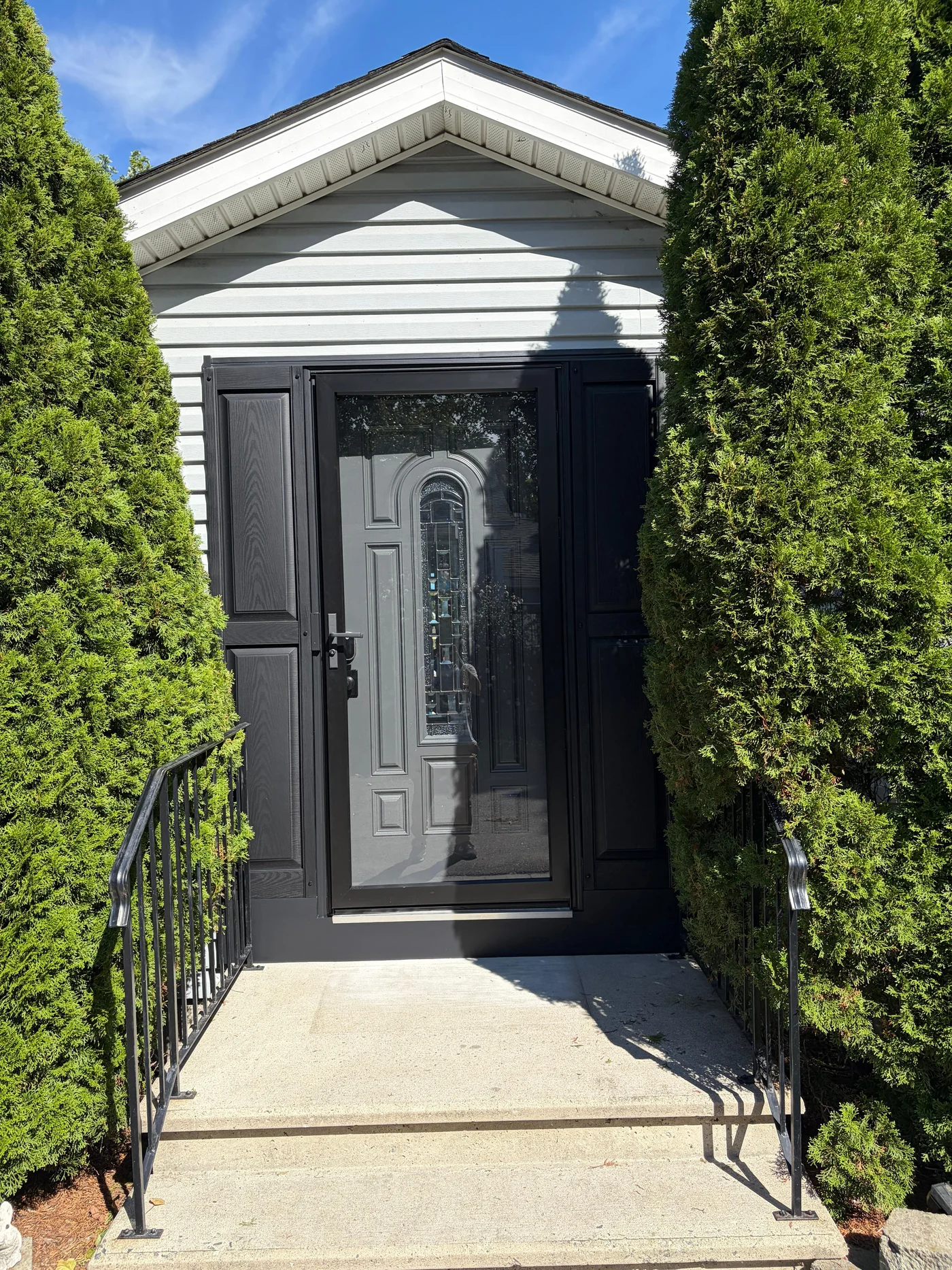
If you would rather have this looked at in person, request an estimate and we will come take a look.
Door, Hinge, Or House?
A door is three things: the slab you push, the frame it hangs in, and the opening in the house that the frame sits in. Almost every door complaint traces to one of those three, and the fix is different for each.
- The slab. Warped, cracked, or delaminating. On an old wood door this happens; on a fiberglass or steel door it is rare unless it was damaged.
- The hinges and the strike. The door drops on its hinges, the latch stops meeting the strike plate, and it sticks at the top corner on the latch side. This is the most common cause and the cheapest fix.
- The frame and the sill. Water gets behind the threshold, the sill and the bottom of the jambs go soft, and the weatherstripping stops sealing because the frame is no longer straight.
- The house. The opening itself has moved. Older New England homes settle, and a door that was plumb in 1960 may not be plumb now.
Sticking in summer and drafts in winter are the same story told twice: wood swells with humidity, shrinks in dry cold, and a frame that is slightly out of square exaggerates both.
The Screwdriver Test At The Sill
Take a flat screwdriver and press it, gently, into the wood at the bottom of each side jamb and along the sill, especially the outside corners. Sound wood pushes back. Rot lets the tip sink in with almost no resistance, and the surface may look painted and fine.
| What you find | What it usually means | What happens next |
|---|---|---|
| Firm wood everywhere, door sticks at the top latch corner | The door has dropped on its hinges | Hinge and strike adjustment; often one visit |
| Firm wood, a draft you can feel along one edge | Weatherstripping or the sweep has worn, or the frame is slightly out of square | New weatherstripping and sweep, strike reset |
| Soft wood at the sill or the bottom of a jamb | Water has been getting behind the threshold, usually for years | The frame needs work; the sill is checked, flashed, and replaced |
| Soft wood plus a gap at the top corner | The frame has racked and is rotting | A complete new unit is usually the honest answer |
A sill that has been wet for a long time rarely stops at the sill. The subfloor under the threshold and the framing beside the jamb can be affected, and nobody can see that until the old unit comes out. That is why a good proposal for a door with rot says, in writing, what happens if more is found once the door is open.
Adjust, Repair, Or Replace: How We Decide
Adjust when the frame is sound and the door simply dropped or the latch no longer lines up. Long screws through the top hinge into the framing, a strike plate moved or shimmed, a sweep and weatherstripping renewed. Most sticking doors are solved this way.
Repair when one part has failed and the rest is sound: a sill that can be replaced on its own, a section of jamb, a threshold that was never flashed. Repair makes sense when the frame is straight and the door itself is worth keeping.
Replace when the frame is racked, when rot has reached the jambs, or when the door is an old wood slab that has warped past what hinges can hide. At that point the money spent repairing piece by piece usually exceeds the cost of a complete unit, and you still have an old frame.
Why A Complete Unit Beats Refitting An Old Slab
A slab is just the door. A prehung unit is the door already hung in its own frame, with the sill, the weatherstripping, and the hinges factory set. Putting a new slab into an old frame inherits every defect of that frame: the racked jamb, the worn sill, the hinge mortises that were cut for a different door. It can be done, and sometimes it is the right call for a sound frame, but it is a fitting job, not a replacement, and it does not fix water.
A complete unit replaces the door, the frame, the sill, and the weatherstripping together. The opening is checked for rot, the sill is flashed, the unit is set plumb and square, and the trim is matched to the house. Composite or rot-resistant frame parts are available on most units now, which matters most exactly where the old one failed.
Storm Door, Entry Door, Or Both
A storm door protects the entry door and adds a second seal. Whether it earns its place depends on the opening: how exposed it is, how much sun it takes, and what the entry door's manufacturer allows behind glass. Two things to know before adding one over a new door. The first is heat: a storm door with a full glass panel can trap sun against a dark entry door, and the door manufacturer will say what finishes and colors they allow behind a storm door. The second is order: the entry door and its trim go in first, and the storm door is fitted to the finished opening, never the other way round.
Painting A Fiberglass Door: What The Manufacturer Requires
Fiberglass entry doors come primed, or factory finished in a color. If you choose a primed door and plan to paint it yourself or have it painted later, read the manufacturer's finishing instructions before the door goes in. They usually specify the type of paint, the number of surfaces that must be coated, and a window of time after installation in which the door must be finished for the warranty to hold. Those instructions, not a rule of thumb, are what govern: where they set a finishing window and it passes unfinished, you can be left with a warranty problem you cannot see yet.
Homes Built Before 1978
If your home was built before 1978, the old door, its jamb, and the casing around it are painted surfaces that may carry lead paint. Massachusetts has its own lead-safe renovation rules for work that disturbs painted surfaces, and a pre-1978 door or window project may fall under them. When the home and the scope require it, that part of the work is coordinated through a licensed lead-safe renovation contractor. We will tell you before the proposal whether your project is in that category, and we ask the year the house was built at the first conversation for exactly this reason.
Permits And Your Town
Whether a like-for-like door replacement needs a building permit depends on your town and on the scope. Changing the size of the opening, or anything structural around it, is a different project from replacing a door in the same opening. We confirm with your town before the proposal is signed, and when a permit is required we coordinate it on the contractor side. You do not pull your own permit for work we do.
What Drives The Cost
There is no honest single number for a door, because the door is rarely the expensive part. What moves the price, roughly in order:
- What is found at the sill. A sound opening and a rotten one are different jobs.
- Unit versus slab. A complete prehung unit costs more than a slab and does more.
- The door itself. Fiberglass, steel, or wood; glass or no glass; factory finish or primed.
- Trim and finish. Matching existing casing in an older home takes more time than stock trim.
- A storm door, and the lockset.
You get every one of those as a line item in a written, itemized proposal before anything starts, so you can see what changes the number.
What To Photograph Before You Call Anyone
If you want a useful first conversation with any contractor, three photographs say more than a paragraph:
- The bottom corners of the door and frame, inside and out, close enough to see the wood
- The threshold from outside, straight on, so the sill and its flashing show
- The top corner on the latch side, where a dropped door rubs
What Brightwork Does Before The Proposal
We visit. We probe the sill and the jambs, check the door for plumb and square, look at the threshold flashing, and ask when the house was built. Then you get a written proposal that names the door, the frame work, the trim, and what happens if the opening turns out worse than it looked. Once the work starts you hear from us at the end of every working day, and if we find something the proposal did not cover, you see photos and numbers before anything extra happens.
Questions Worth Asking
Can you just fix it instead of replacing it?
Usually, yes. Most sticking or misaligned doors are adjusted in a single visit, and we say so when that is the case. Replacement gets recommended when the frame is rotting or racked, not because a new door is a bigger job.
Do I have to pick the door before you can give me a price?
No. The proposal names a specific door so the price means something, but we talk through the options first, and a different door changes one line, not the whole proposal.
Will the new door match the trim inside?
That is part of the job. Interior casing is matched to what the house has, or replaced on both sides of the opening if the old casing is damaged, and the proposal says which.
How long does a door replacement take?
It depends on what is found at the opening. A real schedule goes in the proposal, and you get a note at the end of every working day.
Every house is different. This is what we look for. It is not a substitute for having a qualified contractor look at your house in person.
Sources And Review
About the reviewer. Jacqueson Teixeira is a master carpenter with more than a decade of hands-on carpentry and remodeling experience, and for more than five years he has run his own projects for homeowners north of Boston. He reviews the field statements in every guide that carries his name: what we look for, what usually fails, and how the work is done. MA HIC Reg. #220750.
Permit, code, and lead-safety statements come from the sources listed below and were checked on the review date. Your town's building department has the final word.
- Massachusetts Lead-Safe Renovation Program, for homeowners (accessed August 29, 2026)
- Massachusetts State Building Code (780 CMR), editions and dates (accessed August 29, 2026)
- Town of Reading, permitting and application information (accessed August 29, 2026)
- Therma-Tru, finishing and painting instructions for fiberglass doors (accessed August 29, 2026)
Last reviewed August 29, 2026. Next review by March 2027.
Real Projects
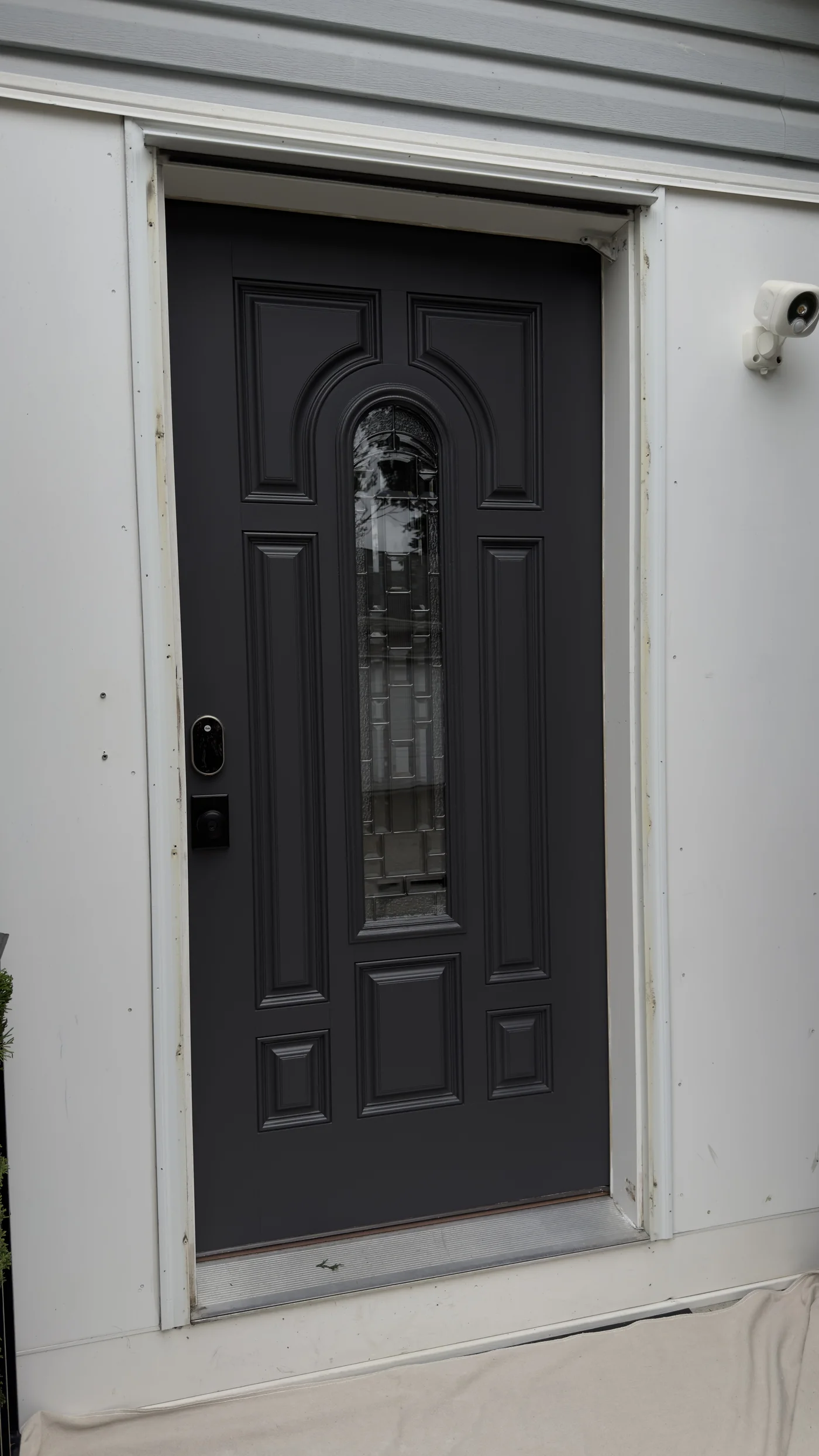
Work Like This, Photographed As We Left It
Keep Reading
Related Guides
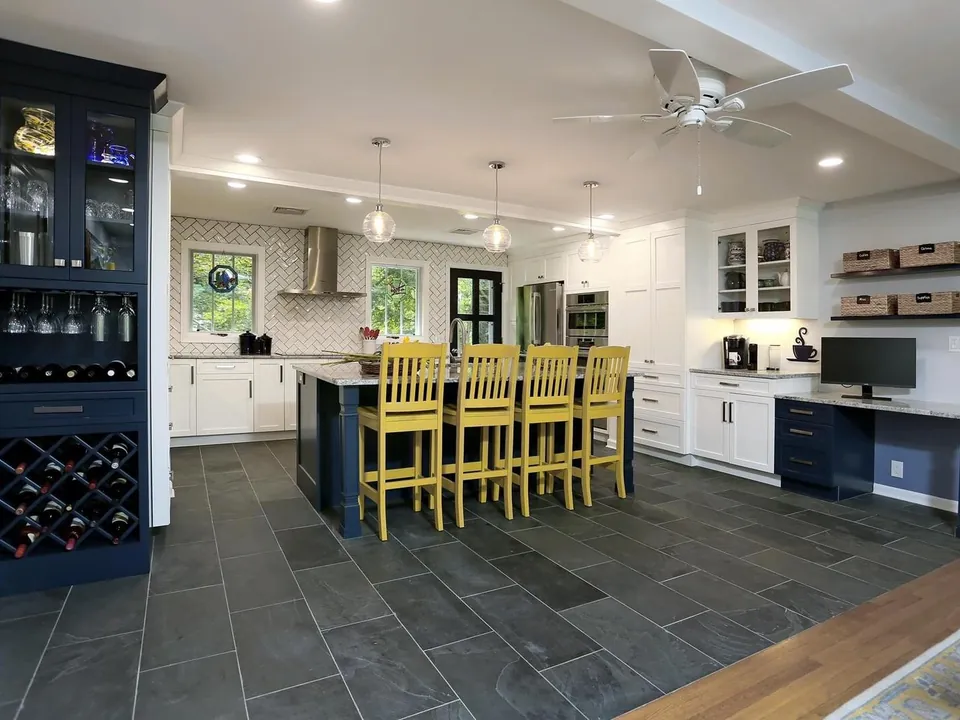
Hiring A Remodeling Contractor In Massachusetts: Registration, Permits, And What Your Contract Must Say
What a Massachusetts home improvement registration means, who pulls the permit, and what the law says your contract must contain.
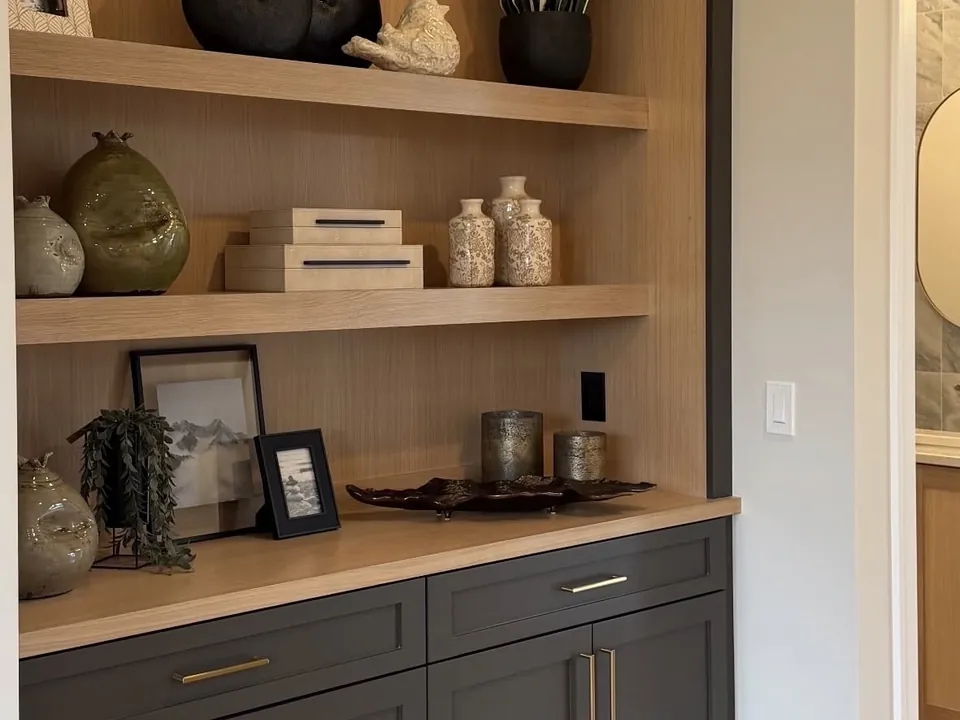
Built-In Or Furniture? How A Custom Built-In Is Planned, Priced, And Fitted
When a built-in earns its place, when furniture is the smarter buy, and how a piece that does not exist yet gets an honest price.
Next step
Tell Us About Your Project
Tell us what your door does, and send a photo if you have one. Once we have seen it, you get the answer in writing: a hinge, a frame, or a new unit, before anything starts.
We normally reply the same day.
- (781) 885-5120Monday to Saturday, 7 AM to 6 PM
- contact@brightworkremodeling.com
- Based in Reading, MAServing fifteen towns north of Boston